Soccer Practice Drills for U8: Choosing Activities That Build First Touch…
At U8 the priority is simple: give every child lots of ball contacts in short, game-like activities that train first touch, balance and coordination. This article explains what first touch drills actually train, which receiving behaviours matter, and how to pick or adapt soccer practice drills for U8 to produce clear learning signs on the pitch.
Quick answer
Choose drills that give each player their own ball for repetition, keep activities under about 10 minutes, combine ball mastery with movement/tag games, and coach simple cues: reduce touch distance, use the right surface, and lower the centre of gravity.
WHAT FIRST TOUCH REALLY TRAINS
First touch at U8 is not an abstract skill; it is a chain of observable behaviours. A good first touch reduces how far the ball travels away, places the ball ready for the next action (dribble, pass, shoot), and keeps the player balanced and able to lift their head sooner. Coaches should judge success by how often a child receives the ball within one step of their feet and how quickly they can release the ball or change direction after contact.
Training first touch at this age focuses on predictable, repeatable scenarios — short passes, self-served balls, and simple partner feeds — so children experience the sequence: see the ball, move to receive, control with an appropriate surface, and prepare for the next action.
RECEIVING SURFACES AND TOUCH QUALITY
U8 drills should expose players to the common receiving surfaces: inside of the foot for accuracy and cushioning, sole or bottom for stopping, and the laces/toe for more forward-directed touches. The goal is not technical perfection but consistent, appropriately weighted contacts.
Coach cues that work: ask players to take a touch that keeps the ball within a step, explain which surface to use for the intended next action, and emphasise softer touches for stopping versus firmer touches for moving the ball forward.
BALANCE, COORDINATION, AND COMPOSURE
Physical fundamentals matter at 6–8. Balance, coordination and simple agility underpin reliable first touch. Use movement and tag-type games alongside ball work so players practise changing direction, landing softly on bent knees, and stabilising the body when the ball arrives.
Look for lowered centre of gravity (knees bent), eyes quickly back on the ball after lift, and stable foot placement beside the ball. These signs show the player is developing the movement skills that make first touch effective under pressure.
What you will learn here
- Why every child should have a ball for frequent touches.
- Which drill families best develop first touch and balance.
- Coaching cues and simple progressions that transfer to matches.
BEGINNER DRILL LOGIC AND REPETITION
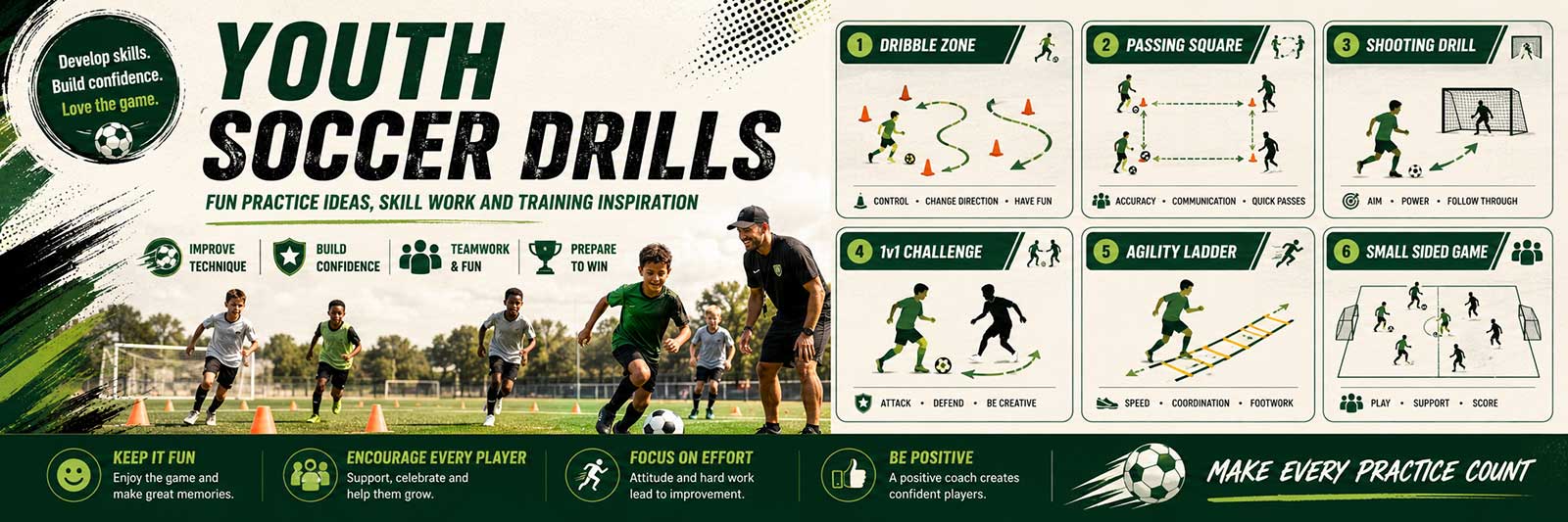
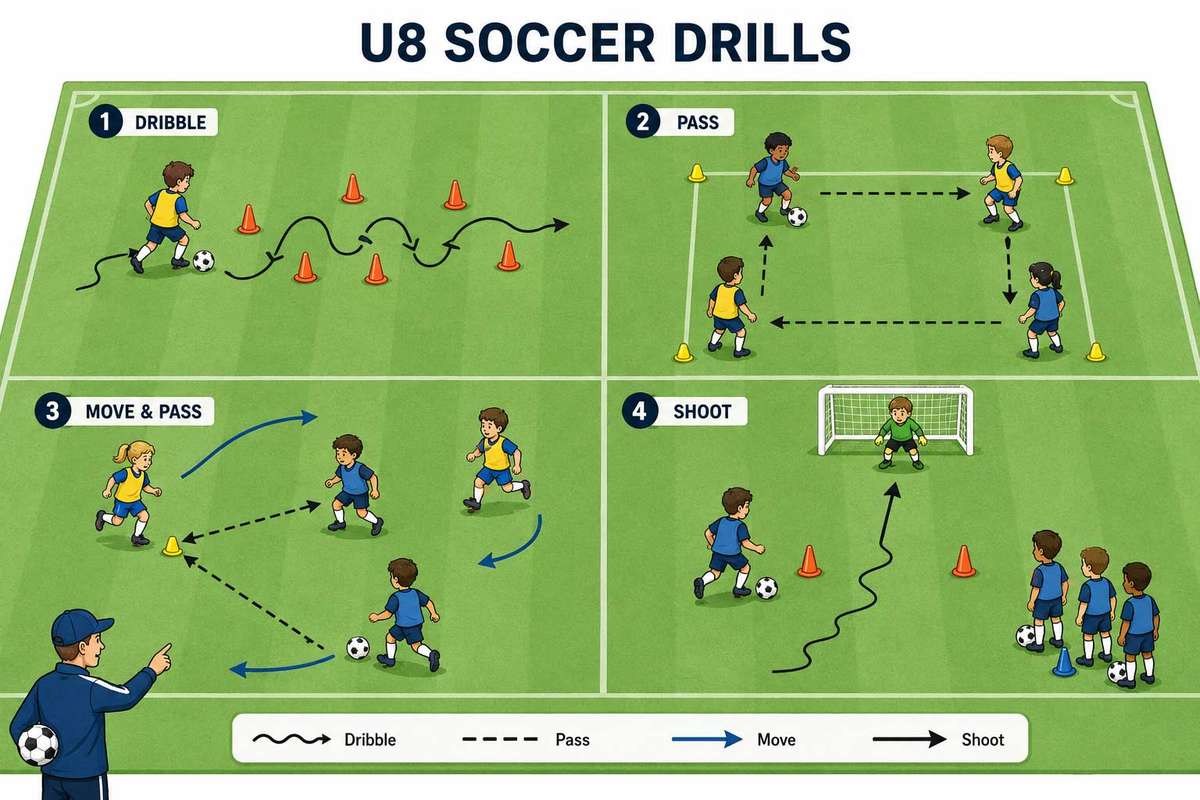
Effective U8 drill design follows a few clear rules from the verified guidance: each player ideally has their own ball, activities run in short blocks (under ~10 minutes) and focus on repetition with low pressure. Ball-mastery exercises (toe taps, sole rolls), partner receiving, gates/passing in pairs and constrained 1v1s are all appropriate because they combine repetition with a game-like challenge.
Structure drills so children cycle through many short attempts rather than waiting in a queue. This keeps engagement high and creates the repeated, low-pressure contacts that improve comfort on the ball.
HOW COACHES CAN APPLY THIS WITHOUT OVERLOADING
Keep instructions short and consistent. Use one or two simple cues per activity (for example: "soft touch", "use your inside", "knees bent"). Demonstrate a clear visual target so players know where to control the ball and can lift their heads sooner.
Session structure that aligns with verified practice plans: warm-up/movement games, a ball-mastery block, a passing or shooting game, and finish with a small-sided scrimmage. Keep blocks short and maximise touches — avoid long queues and constant correction. Progress by adding gentle opposition or reducing receiving time, not by piling on verbal instruction.
COMMON MISTAKES YOUNG PLAYERS MAKE
Watch for these frequent errors: chasing the ball too far from the feet (too large touch distance), standing upright on reception (poor balance), and always using the same surface regardless of the next action. These behaviours slow decision-making and reduce composure in simple pressure situations.
Correction is best through guided repetition: small drills that force shorter touches, movement games that demand balance, and partner feeds requiring different surfaces for the finish. Avoid long technical lectures—fix one habit at a time in short, game-like repetitions.
MATCH TRANSFER AND DECISION PREPARATION
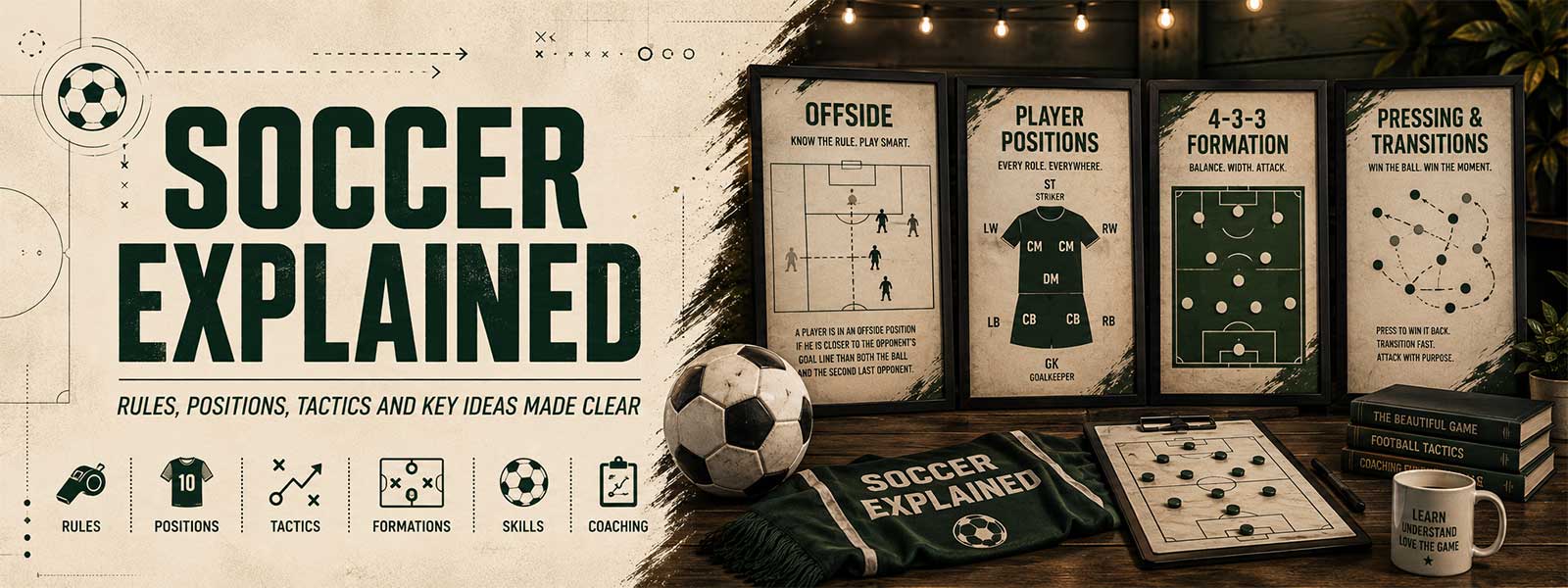
Choose drills that mirror match problems: receiving under light pressure, receiving and turning, and receiving to play a quick pass. The mechanism behind transfer is rehearsal of the sequence: perceive the ball, prepare the body, execute an appropriately weighted touch, and be prepared for the next action. When players repeatedly succeed in these short sequences in practice, they gain the composure to attempt the same actions in small-sided games.
Small-sided scrimmages at the end of a session let coaches see whether touches are staying closer to the body, whether players use multiple surfaces, and whether balance and coordination have improved under realistic conditions.
CLOSING INTERPRETATION
When selecting soccer practice drills for U8, prioritise quantity of meaningful touches, short game-like activity blocks, and exercises that combine ball mastery with movement. Practical coaching means clear, limited cues, individual balls where possible, and a session flow that moves from low-pressure repetition to light opposition games. Those choices create observable progress in first touch, close control, balance and confidence on the ball.
Author: Cynthia D.